What Is a Knee Replacement and What Types Are Available?
A knee replacement is an operation that resurfaces damaged parts of the knee joint with artificial components. It may be considered when arthritis or another condition causes lasting pain and limits walking, sleep, or daily tasks. The name can sound more extensive than the procedure itself. In many operations, surgeons replace only selected joint surfaces, not the entire knee. Orthopedic surgeon Matthew Abdel, MD, of Mayo Clinic, describes the aim as relieving pain and improving everyday function. That is the goal, not a guaranteed result.
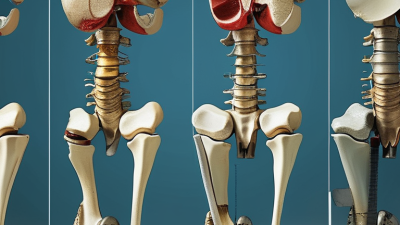
The main options include total knee replacement, partial knee replacement, and kneecap replacement. Total replacement resurfaces the thighbone and shinbone ends, and sometimes the kneecap. Partial replacement treats damage confined to one compartment, preserving more healthy bone and tissue. Kneecap replacement focuses on the joint surface behind the kneecap and its groove. Revision surgery replaces or repairs components from an earlier operation; it is usually more complex. Each type fits different patterns of damage. A person’s symptoms, imaging, health, and activity goals all matter. The choice is not made from an X-ray alone. Recovery also varies, and some stiffness or discomfort can persist. Small details count: how far the knee bends, whether stairs are manageable, and what support is available at home. These are practical questions to discuss with an orthopedic specialist. This overview can help frame that conversation, but it cannot decide which procedure is right for an individual.
What a Knee Replacement Is
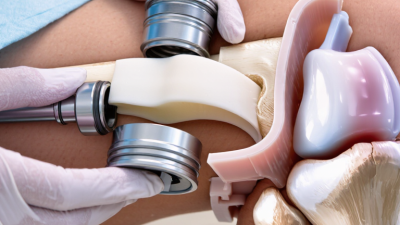
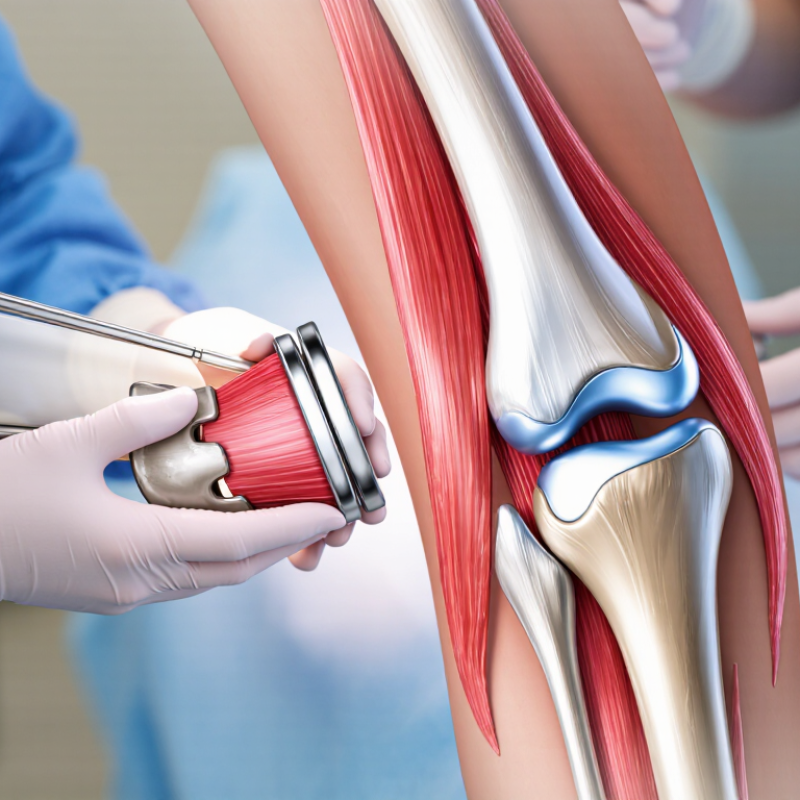
A knee replacement, also called knee arthroplasty, is surgery to replace damaged joint surfaces with artificial components. It does not usually remove the whole knee. The surgeon reshapes the ends of the thighbone and shinbone, then covers them with fitted implants; a plastic spacer helps the parts move smoothly. In some procedures, the underside of the kneecap is also resurfaced. The goal is to reduce pain and improve everyday movement, such as standing from a chair or walking across a room. It is not a brand-new natural knee. That difference matters.
The operation is commonly considered when arthritis or another condition causes persistent pain and limits daily activities despite nonsurgical care. The choice between replacing part of the knee and replacing the whole joint depends on which areas are damaged, a person’s health, and clinical assessment. A 2012 AHRQ Healthcare Cost and Utilization Project report counted about 719,000 U.S. hospital stays involving knee arthroplasty. That figure shows how established the procedure is, but it does not predict an individual’s outcome. Recovery varies. Swelling, stiffness, and gradual strengthening can take time, and the expected benefits and risks should be discussed with an orthopaedic surgeon.
When Knee Replacement May Be Recommended
Knee replacement may be recommended when osteoarthritis causes persistent pain, stiffness, or swelling that makes ordinary tasks difficult. A short walk to the mailbox may become painful; stairs or getting out of a chair may feel daunting. The American College of Rheumatology and American Association of Hip and Knee Surgeons’ 2023 guideline addresses people with moderate-to-severe symptoms who have not improved with appropriate non-surgical care. Surgery is not based on an X-ray alone. Symptoms, daily function, health, and personal goals matter.
The CDC estimates that 32.5 million U.S. adults had osteoarthritis in 2017–2018. That figure describes the condition’s reach, not how many people need surgery. Clinicians may discuss replacement when options such as exercise therapy, weight management, pain relief, or injections have not provided enough benefit. The guideline conditionally advises against delaying surgery just to repeat ineffective treatments. Still, readiness varies. A scan can look severe while someone functions well; the reverse can also happen. These decisions deserve a careful conversation.
Tips: Keep a simple pain and activity diary for two weeks. Note sleep, walking distance, and which treatments helped. Bring it to your appointment. Ask what recovery may involve at home, and discuss medical conditions that could affect surgical risks.
How Knee Replacement Surgery Is Performed
During knee replacement, the surgeon removes damaged cartilage and a thin layer of bone from the thighbone and shinbone. The prepared surfaces receive metal components, with a durable spacer between them to help the joint glide. An incision is made at the front of the knee. The team may use general or spinal anesthesia, depending on the patient and clinical plan. Sometimes, the kneecap’s underside is also resurfaced. Not every knee needs that step.
The surgeon checks the fit, stability, and range of motion before closing the incision. Small details matter. The procedure may be a total replacement or, when damage is limited to one compartment, a partial replacement.
AHRQ’s HCUP Statistical Brief No. 186 recorded about 719,000 inpatient total knee replacements in the United States in 2012; that figure excludes procedures performed outside inpatient hospitals.
After surgery, patients commonly begin assisted movement and physical therapy, though timing varies. Recovery is not perfectly predictable. A technically sound operation does not guarantee identical pain relief or mobility for every person, and surgical choices should reflect the patient’s anatomy and health.
The Main Types of Knee Replacement
Knee replacement is not one operation. The main types differ by how much of the joint is damaged.
Total knee replacement resurfaces the ends of the thighbone and shinbone; the kneecap may also be resurfaced.
Partial knee replacement treats only one damaged compartment, leaving healthy bone and ligaments in place. It can suit people whose arthritis is limited to one area.
Patellofemoral replacement targets the joint between the kneecap and thighbone.
Revision surgery removes or replaces some or all of an earlier implant. It may be needed when an implant loosens, wears, or becomes infected.
The choice is not made from an X-ray alone. Symptoms, ligament stability, movement, and the pattern of joint damage all matter. The labels sound tidy; real knees are not.
A 2019 BMJ systematic review examined 60 studies comparing partial and total knee replacement. It found shorter hospital stays and fewer complications with partial replacement, but registry data showed more later revision operations. These are group-level findings, not a prediction for one person. A surgeon can explain how each option fits the individual examination and imaging, including the possibility that damage is more widespread than it first appears.
How Surgeons Choose a Knee Replacement Type
How Surgeons Choose a Knee Replacement Type
Surgeons match the operation to the damaged part of the knee, not just the X-ray. They assess pain, movement, ligament stability, bone quality, overall health, and how much arthritis affects daily activities. If damage is limited to one compartment and the ligaments work well, a partial replacement may be an option. More widespread damage often points toward total replacement. The AAOS knee osteoarthritis guideline recognizes partial replacement as a consideration for selected patients with disease concentrated in one compartment. It is not automatic. A patient’s goals and examination matter.
Durability is part of the discussion, but population averages cannot predict one person’s result. A 2019 Lancet systematic review of registry data estimated 25-year implant survival at 82.3% for total replacements and 69.8% for partial replacements. These figures reflect varied patients and implant eras; they are not a personal forecast. A surgeon may also consider prior operations, alignment, and whether preserving more natural bone is appropriate. The choice is not perfectly tidy, and reasonable surgeons may weigh trade-offs differently.
Tips: Ask which knee compartments are affected, why the recommended type fits your examination, and what risks apply to your health. Bring a short list of daily tasks that hurt, such as climbing stairs or standing from a low chair. Mention medications and previous knee procedures.