
How to Prepare for Knee Replacement Surgery?
Preparing for knee replacement surgery involves more than arranging transportation and buying a walker. It requires a clear understanding of your health, your home environment, and the recovery process ahead. The American Joint Replacement Registry’s recent annual reports show the growing scale of hip and knee replacement care in the United States. This expansion reflects improved surgical techniques, but it also highlights the importance of informed preparation.
Good preparation begins with an honest conversation with your orthopedic surgeon. Share every medication, supplement, allergy, and previous reaction to anesthesia. The American Academy of Orthopaedic Surgeons emphasizes patient-specific evaluation, including medical history, physical function, and shared decision-making. Blood pressure, diabetes control, weight, smoking status, and dental concerns may influence surgical timing. Small details matter. A loose rug beside the bed can become a serious obstacle after surgery.
Professional recovery pathways, including recommendations from enhanced recovery programs, support early movement, suitable pain control, and coordinated discharge planning. However, preparation is not perfectly predictable. Your surgery date may change. Recovery may feel slower than expected. That does not automatically indicate failure. Ask who will help during the first week, how exercises should be performed, and which symptoms require urgent medical advice. Reliable information about knee replacement surgery should come from your surgical team, hospital instructions, and established organizations, rather than unverified online promises. This guide explains practical steps, common decisions, and overlooked details that can make the process safer and more manageable.
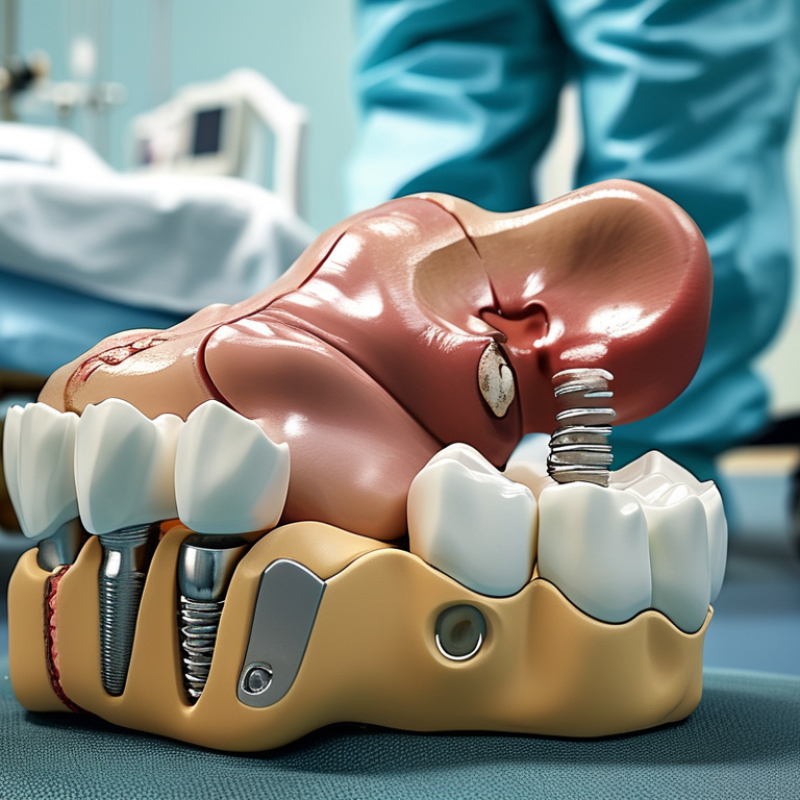
Understand the Reasons, Benefits, and Risks of Knee Replacement Surgery
How to Prepare for Knee Replacement Surgery?
Severe osteoarthritis can make stairs, sleep, and short walks painfully difficult. The World Health Organization reported that 528 million people lived with osteoarthritis worldwide in 2019. Knee replacement may help when pain persists despite exercise, weight management, medication, or injections. A surgeon should confirm the cause with examination and imaging. Surgery should match your daily needs, not only an X-ray.
Benefits often include less pain, better walking, and improved independence. However, a replacement is not a natural knee. Kneeling may remain uncomfortable, and recovery can take several months. The National Joint Registry’s 21st Annual Report shows strong ten-year implant survival for many primary knee replacements. Outcomes still vary with age, health, diagnosis, and activity. These figures are useful, but they cannot predict one person’s result.
Preparation should include a medication review, blood tests, and a clear home plan. Remove loose rugs, place supplies at waist height, and arrange help with bathing and meals. Practise the exercises recommended by your care team before surgery. Ask about blood-clot prevention, infection warning signs, pain control, and physical therapy. Risks include infection, clots, stiffness, nerve injury, and later revision surgery. Recovery is rarely neat. A common mistake is expecting rapid normality, then feeling discouraged after a difficult week. Pain that worsens, fever, chest pain, or sudden breathlessness needs urgent medical attention.
How to Prepare for Knee Replacement Surgery? - Understand the Reasons, Benefits, and Risks of Knee Replacement Surgery
| Topic | Evidence-Based Information | Typical Preparation or Timing | Important Considerations |
|---|---|---|---|
| What Is Knee Replacement? | Knee replacement, also called knee arthroplasty, removes damaged joint surfaces and replaces them with artificial components. It may involve the whole knee joint or only one compartment. | The procedure is planned after a medical evaluation, imaging, and discussion of nonsurgical treatments. | The decision should be based on pain, function, examination findings, and overall health—not age alone. |
| Common Reasons for Surgery | The most common reason is advanced osteoarthritis. Other causes include rheumatoid arthritis, post-traumatic arthritis, and severe joint damage or deformity. | Surgery is usually considered when symptoms persist despite appropriate conservative care. | Typical symptoms include persistent pain, stiffness, swelling, reduced walking ability, and difficulty with stairs or daily activities. |
| Treatment Before Surgery | Nonsurgical options may include exercise or physical therapy, weight management when appropriate, pain medicines, walking aids, activity modification, and selected injections. | The treatment plan varies according to symptoms, medical conditions, previous treatments, and the cause of knee damage. | Not every treatment is suitable for every person. Discuss medication risks and benefits with a qualified clinician. |
| Expected Benefits | Most patients experience substantial relief from arthritis pain and improved ability to walk, stand, and perform everyday activities. | Improvement begins during recovery and continues as swelling decreases, strength returns, and rehabilitation progresses. | The operation may not eliminate all discomfort or restore high-impact sports ability. Rehabilitation and realistic expectations are important. |
| Preoperative Medical Assessment | Assessment may include a health history, physical examination, medication review, blood tests, imaging, and an anesthesia evaluation. | Complete the assessment before surgery and report changes in health, infection, fever, or new medications. | Heart, lung, kidney, bleeding, and anesthesia-related issues may require additional evaluation or optimization. |
| Medication and Supplement Review | Tell the surgical team about all prescription medicines, over-the-counter products, vitamins, and herbal supplements. | Follow individualized instructions about medicines that affect bleeding, blood sugar, blood pressure, or immune function. | Do not stop aspirin, anticoagulants, or other prescribed medicines without medical advice. |
| Pre-Surgery Physical Preparation | Maintaining safe activity, strengthening the muscles around the knee, improving flexibility, and managing weight when appropriate can support recovery. | Begin only exercises approved by the healthcare team, especially if pain or mobility is limited. | Avoid activities that sharply increase pain or swelling. Smoking cessation can improve healing and reduce complications. |
| Home and Support Planning | Arrange transportation, help with meals and household tasks, and a safe place to recover. Remove loose rugs and clear walking paths. | Prepare the home before admission and obtain recommended equipment, such as a walker, raised toilet seat, or shower support if needed. | Follow the hospital’s instructions about fasting, bathing, clothing, arrival time, and discharge arrangements. |
| Anesthesia and Hospital Stay | Knee replacement may be performed with regional or general anesthesia, depending on the patient, procedure, and anesthesia plan. | Many patients begin walking with assistance on the day of surgery or the following day. Some procedures are performed as same-day surgery, while others involve an overnight stay. | The discharge plan depends on pain control, mobility, medical stability, home support, and local clinical protocols. |
| Early Recovery and Rehabilitation | Physical therapy focuses on safe walking, knee movement, muscle activation, strength, and daily activities. | Exercises often start soon after surgery. Progress varies, but many people resume ordinary activities over several weeks to months. | Swelling, bruising, fatigue, and temporary stiffness are common. Follow weight-bearing and exercise instructions carefully. |
| Common Risks and Complications | Possible complications include infection, blood clots, bleeding, nerve or blood-vessel injury, stiffness, persistent pain, instability, and problems related to anesthesia. | The surgical team uses measures such as sterile technique, early movement, and prescribed blood-clot prevention to reduce risk. | Individual risk is influenced by health conditions, smoking, obesity, diabetes, previous surgery, mobility, and medication use. |
| Long-Term Considerations | Artificial knee components can wear or loosen over time, and some patients may eventually need revision surgery. | Regular follow-up is recommended, particularly if pain, swelling, instability, or reduced function develops. | Low-impact activities are generally more suitable after recovery; ask the surgeon before returning to demanding or high-impact activities. |
| When to Seek Urgent Medical Advice | Contact the healthcare team promptly for worsening redness, drainage, fever, severe or increasing pain, calf swelling, or sudden loss of function. | Seek emergency care for chest pain, sudden shortness of breath, fainting, or coughing blood, which may indicate a serious blood clot complication. | Use the discharge instructions provided by the surgical team, as emergency contact procedures may differ. |
Note: This table provides general educational information. Surgical suitability, preparation, recovery, and complication risk must be determined by a qualified healthcare professional for each individual.
Related Posts
-

10 Best Things You Should Know About Knee Replacement Surgery?
-
China Best Options for DR for Knee Surgery Solutions?
-

Top 10 Hospitals in China for Hip and Knee Replacement Surgery?
-

2026 How to Choose the Best Dr Orthopaedic Surgeon for Your Needs?
-

Why Choosing the Right Orthopaedic Surgery Doctor Matters?
-

2026 Best Arthroscopy Knee Surgery Techniques for Effective Recovery