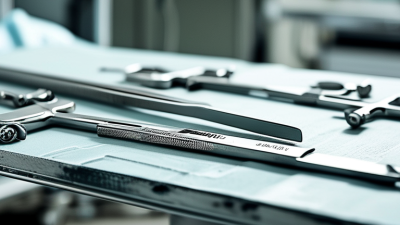
Planning medical surgery supplies for 2026 means looking beyond equipment lists. The right choices help teams maintain sterile fields, complete procedures, and respond to changing clinical needs. Yet no single ranking fits every operating room. A rural surgical unit, a busy trauma center, and an outpatient clinic face different demands.
The scale of unmet need matters. The 2015 Lancet Commission on Global Surgery estimated that five billion people lacked access to safe, affordable surgical and anesthesia care. It also estimated that low- and middle-income countries needed 143 million additional surgical procedures each year. These figures make dependable, appropriately selected supplies more than a purchasing concern. They affect whether essential care can be delivered.
Evidence also shows why basic supplies and systems deserve attention. In a multicenter study published in the New England Journal of Medicine, use of the WHO Surgical Safety Checklist was associated with a decline in major complications from 11.0% to 7.0%. Mortality fell from 1.5% to 0.8%. A checklist is not a supply, of course. But it depends on teams having items such as sterile gloves, gowns, drapes, sutures, instruments, suction equipment, and wound-care products ready when needed. Details matter. This guide examines leading supply categories, their practical roles, and the questions buyers should ask about sterility, fit, usability, and replenishment. Forecasts are imperfect, and local clinical judgment remains essential.

Medical surgery supplies include items used to prepare the patient, maintain a sterile field, perform procedures, and support recovery. Core supplies include sterile gloves, gowns, drapes, masks, antiseptic skin-preparation products, sutures, scalpels, forceps, retractors, suction tubing, and wound dressings. Facilities also need sterilization indicators and puncture-resistant sharps containers. The exact mix depends on the procedure, patient needs, and the care setting.
In its 2016 Global Guidelines for the Prevention of Surgical Site Infection, the World Health Organization reported an estimated 11.8 infections per 100 surgical patients in low- and middle-income countries, compared with 1.2 per 100 in high-income countries. This makes reliable sterile barriers and properly processed instruments essential—not just convenient.
Small details matter. A torn drape or incompatible connector can interrupt a procedure, and no supply list is perfect for every operating room. Review stock against local case types and staff feedback.
Tips: Before use, check packaging integrity, sterility indicators, size, and expiration dates. Keep frequently used items easy to reach, such as gloves and dressings near the preparation area. Separate sterile supplies from used instruments, and follow facility procedures for storage and reprocessing. If a product or device does not fit the procedure, pause and confirm suitability with qualified clinical staff.
Surgical supplies are best grouped by the job they perform. Core categories include instruments for cutting, grasping, clamping, and retracting; sterile barriers such as gloves, gowns, and drapes; and wound-closure products, including sutures, staples, and dressings. Teams also rely on suction and irrigation tubing, syringes, gauze, and specimen containers. Small details matter. A missing clamp or incorrectly sized drape can disrupt a carefully prepared setup.
The World Health Organization’s 2016 Global Guidelines for the Prevention of Surgical Site Infection report that about 11% of patients undergoing surgery in low- and middle-income countries develop an infection. That figure makes sterile barriers and suitable wound-care supplies more than routine checklist items.
Grand View Research estimated the global surgical instruments market at USD 14.3 billion in 2023, with projected growth through 2030.
This market estimate covers instruments, not every consumable in a surgical room. The categories can look tidy on paper; actual kits vary by procedure, patient needs, and local workflow. Reviewing usage and waste with clinical staff helps purchasing teams avoid both shortages and unopened excess.
Surgical teams rely on a core mix of sterile and nonsterile supplies, adjusted to each procedure. Gloves, gowns, drapes, and masks help maintain a controlled field. Gauze, sponges, sutures, and wound dressings support bleeding control and closure. Scalpels, forceps, scissors, and clamps serve different tissue-handling tasks. Suction tubing and irrigation supplies help clear fluid and keep the operative area visible. Small details matter. A torn package, unclear label, or damp sterile wrap can delay setup and require replacement.
Before incision, staff check package integrity, expiration dates, and the availability of procedure-specific items. They also count sponges and instruments, then document those counts according to facility protocol. Reusable instruments need validated cleaning and sterilization; single-use supplies should be discarded as directed. The distinction is not always obvious from appearance alone, so labeling and training matter. Even a well-stocked room can miss a needed size or connector. Teams should confirm equipment compatibility and have suitable alternatives available, without opening extra sterile packs too early. Supply choices depend on the operation, patient needs, and clinical protocols, which can vary between facilities.
| Supply | Common Form or Material | Primary Surgical Use | Where It Is Commonly Used |
|---|---|---|---|
| Surgical gloves | Sterile, single-use gloves made from materials such as nitrile, latex, or neoprene | Provide a barrier for the hands during sterile procedures and help reduce contamination risk. | Used by scrubbed surgical team members across a wide range of operations. |
| Surgical gowns | Sterile gowns made from fluid-resistant fabric or nonwoven materials | Provide a protective barrier for the wearer and help maintain the sterile field. | Worn by surgeons and other sterile team members during operations. |
| Surgical drapes | Sterile, usually single-use sheets or drape sets made from woven or nonwoven materials | Cover the patient and surrounding areas, defining and helping protect the operative field. | Used in procedures ranging from minor surgery to major operating-room cases. |
| Surgical masks and head covers | Disposable masks and caps or hoods designed for clinical use | Support operating-room hygiene by covering the nose, mouth, and hair as required by facility policy. | Worn by operating-room personnel; mask requirements depend on the procedure and local policy. |
| Sterile gauze and sponges | Absorbent cotton or other medical-grade material in pads, swabs, or laparotomy sponges | Absorb blood and fluids, protect tissue, and assist with wound care or surgical-site packing. | Used in open and minimally invasive procedures, with appropriate counting protocols for applicable items. |
| Sutures | Absorbable or nonabsorbable thread supplied with or without an attached needle | Approximate tissue edges, ligate vessels, or secure tissue and devices. | Selected according to the tissue, wound, procedure, and required healing characteristics. |
| Surgical needles | Sterile needles in different lengths, diameters, and tip shapes | Deliver sutures through tissue or provide access for specific surgical tasks. | Used in procedures requiring suturing, injection, aspiration, or other needle-based access. |
| Scalpels and surgical blades | Sterile blades in various shapes and sizes, used with compatible handles or as safety scalpels | Make controlled incisions or precise cuts in tissue. | Used in many open surgical procedures; blade selection depends on the intended incision. |
| Electrosurgical instruments | Insulated handpieces and electrodes connected to an electrosurgical generator | Use electrical energy for tissue cutting or coagulation when indicated. | Common in many operating-room procedures; use requires suitable equipment and safety practices. |
| Suction tubing and collection components | Medical-grade tubing, connectors, and collection canisters compatible with suction equipment | Remove blood and other fluids from the operative field to support visibility. | Used in a broad range of procedures, with setup determined by the suction system and case needs. |
| Specimen containers | Leak-resistant containers in appropriate sizes, used with or without a designated preservative | Contain tissue or fluid specimens for identification, transport, and laboratory examination. | Used when a surgical specimen is collected; labeling and handling follow facility and laboratory protocols. |
Choosing surgical supplies starts with the procedure, not a generic shopping list. Teams review the planned steps, patient needs, and facility protocols. A laparoscopic case may require sterile drapes, gloves, gauze, suction tubing, and instruments suited to the approach. Before opening items, staff check package seals, sterilization indicators, and expiration dates. Damaged or damp packaging stays out of use. Small details matter.
Tips: Match each item to the procedure plan and preference card. Confirm sizes aloud. Keep backup supplies nearby, but avoid opening them too early. Record substitutions.
Preparation works best when team members know who checks, opens, and counts each item. Arrange supplies on a clean, accessible surface, with frequently used tools within reach. Confirm that required equipment is present and functioning before the procedure begins. Checklists help, but they can become outdated; review them when procedures or team routines change. Even a careful setup can miss something. Pause if an item is unclear, and resolve the question before proceeding.
Surgical supplies in 2026 are judged by more than convenience. Sterility begins with the package: staff check seals, indicators, and expiration dates before opening a sterile tray. A torn wrapper or damp corner can change the decision. Follow the facility’s current protocols and the product’s instructions for use; appearance alone cannot confirm sterility. Small details matter.
New developments include clearer lot tracking, improved packaging, and instruments designed for steadier handling during long procedures. Digital records may help teams trace supplies quickly, but only when entries are accurate and systems are maintained. Newer is not automatically safer. A promising material or design still needs appropriate validation and staff training. There is room for practical caution here: technology can reduce some errors, but it cannot replace careful inspection. Gloves, gowns, drapes, sutures, and suction supplies remain essential, and their safe use depends on correct storage, handling, and disposal. A well-organized cart helps, yet the person checking it matters more.