Top 10 Hospitals in China for Hip and Knee Replacement Surgery?
Hip and knee replacements have become essential procedures for treating severe joint disorders. According to the World Health Organization, over 1.4 million hip and knee replacement surgeries are performed annually worldwide. China is seeing a significant increase in demand for these surgeries as the aging population grows. Dr. Wei Zhang, a leading orthopedic surgeon, states, "The rising prevalence of arthritis and joint issues necessitates advanced facilities for effective hip and knee replacement."
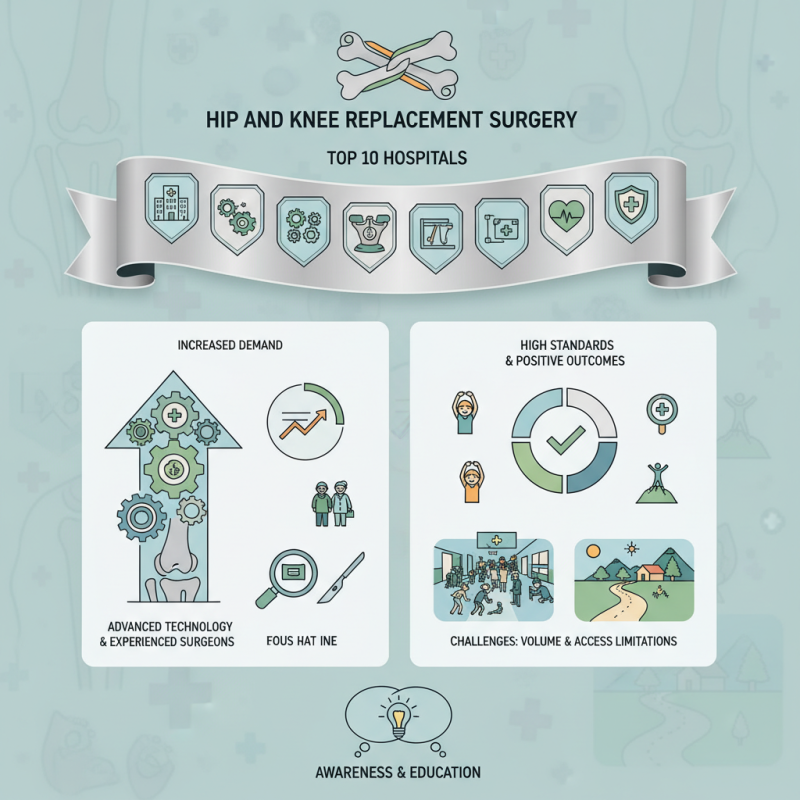
Several hospitals in China are recognized for their excellence in this field. These institutions not only provide advanced technology but also boast experienced surgeons. It is crucial to choose a hospital that adheres to high standards. Research indicates that outcomes can significantly vary based on the facility's expertise. Many patients fail to realize the importance of hospital selection, which can directly affect their recovery and overall satisfaction.
Although top-tier hospitals exist, they may also face challenges. Some institutions are overwhelmed with patient volumes, which can lead to rushed procedures and less personalized care. Additionally, access to these hospitals may be limited for rural patients. Awareness and education about these concerns are essential for better decision-making regarding hip and knee replacement choices.
Top Factors to Consider When Choosing a Hospital for Hip and Knee Surgery
Choosing a hospital for hip and knee replacement surgery is a critical decision. You must consider several key factors. A hospital’s accreditation is a starting point. Look for institutions recognized by national and international health organizations. This can give you confidence in their standards.
Another important factor is the experience of the surgical team. Surgeons with more years in the field usually have higher success rates. Research their qualifications and how many similar procedures they have performed. Don’t overlook patient reviews and outcomes. Speaking to past patients can provide insight into their experiences and rehabilitation processes.
Finally, consider the technology used in the hospital. Advanced imaging and surgical techniques often lead to shorter recovery times. Ask about robotic-assisted surgery options; it's gaining traction for its precision. Reflecting on these aspects can help ensure a more informed choice, balancing both expertise and patient-centered care.
Top 10 Hospitals in China for Hip and Knee Replacement Surgery
Overview of Hip and Knee Replacement Surgery: Procedures and Benefits
Hip and knee replacement surgery has become a common procedure for patients suffering from joint pain due to arthritis and other conditions. According to industry reports, nearly 1 million hip and knee replacements are performed annually in China. These surgeries significantly improve mobility and quality of life for patients. A successful operation can reduce pain by up to 90%, allowing individuals to return to daily activities.
The procedures involve replacing damaged joint parts with prosthetics, which can last over 15 years in many cases. Surgical techniques have evolved, with minimally invasive options now available. For instance, smaller incisions reduce recovery time and lead to less postoperative pain. Nonetheless, not all patients are good candidates for these options, highlighting the need for thorough preoperative evaluations.
Despite the advancements, complications can still occur. About 1-2% of patients may experience infections or blood clots. It is crucial for patients to weigh these risks against the potential benefits. Moreover, proper rehabilitation is essential for optimal recovery. Patients must adhere to prescribed physical therapy to regain strength and function effectively. Thus, the journey from surgery to recovery requires commitment and guidance.
Statistical Success Rates of Hip and Knee Replacements in Chinese Hospitals
When considering hip and knee replacement surgery, success rates are crucial for patients. In China, several hospitals excel in this field. Many of these institutions report impressive statistics, showing success rates exceeding 90%. This indicates a high level of patient satisfaction and recovery.
However, not all hospitals achieve similar outcomes. Some facilities struggle with complication rates, varying from infections to surgical errors. It is vital for patients to review individual hospital data before making decisions. Transparency can be inconsistent. A hospital’s reputation may not always correlate with actual success rates.
It is important to understand that while statistics are promising, they do not guarantee personal success. Each patient’s unique medical history can affect results. Engaging with healthcare professionals to discuss concerns is essential. Ultimately, informed choices and thorough research can lead to better outcomes in hip and knee replacement surgeries in China.
Analysis of Patient Satisfaction and Recovery Times in Top Surgical Centers
In recent years, hip and knee replacement surgeries have gained popularity in China due to their effectiveness in pain relief and mobility. Data from the Chinese Hospital Association indicates that the recovery times in top surgical centers range from 4 to 8 weeks. However, patient satisfaction scores do fluctuate. Some reports suggest that as many as 15% of patients express concerns about postoperative pain management and rehabilitation.
Experts highlight that surgical outcomes largely depend on the expertise of the surgical team. Facilities with experienced orthopedic specialists tend to achieve higher patient satisfaction. A study from the Chinese Medical Journal revealed that hospitals with dedicated rehabilitation programs report a satisfaction rate of over 90%. However, not all institutions prioritize postoperative care, leading to discrepancies in recovery experiences.
Monitoring recovery closely is crucial. A recent survey found that nearly 20% of patients faced complications due to inadequate follow-up care. This indicates a pressing need for hospitals to enhance their service quality. Addressing these issues could significantly improve both the recovery times and the overall experiences for patients undergoing hip and knee replacement surgeries in China.
Leading Surgical Technologies and Innovations in Chinese Orthopedic Hospitals
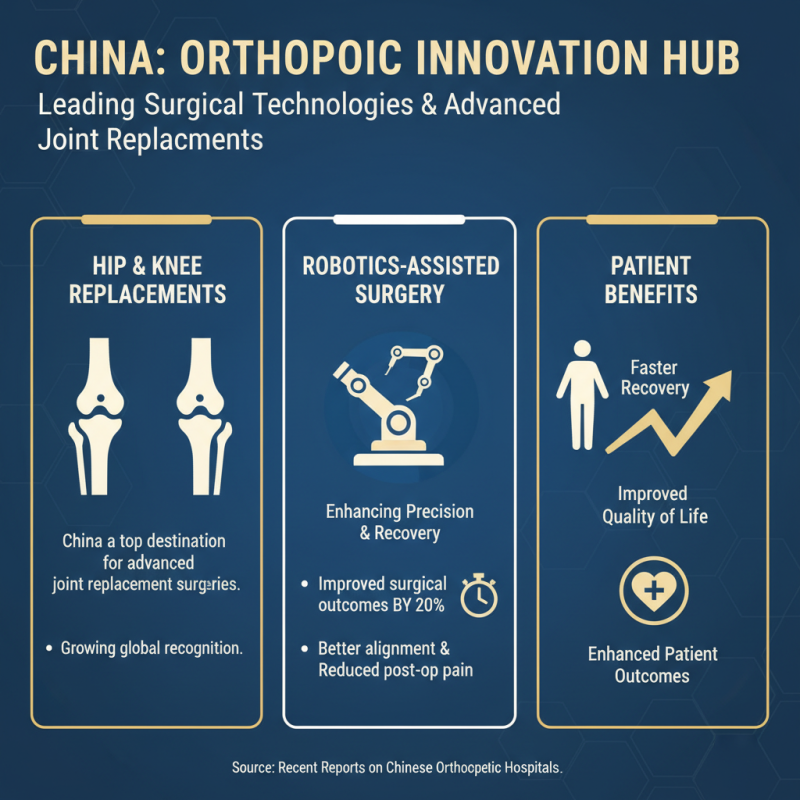
China is emerging as a leading destination for hip and knee replacement surgeries, thanks to advanced surgical technologies. Notably, many hospitals adopt robotics-assisted surgery to enhance precision and reduce recovery time. According to recent reports, robotic systems can improve surgical outcomes by 20%, providing patients with better alignment and less pain post-operation.
Innovation is also paramount. 3D printing technology allows for customized implants that fit individual patients more effectively. This advancement has shown to decrease implant failure rates. Additionally, the use of minimally invasive techniques has become widespread. These methods not only reduce hospital stays but also minimize scarring and postoperative pain.
**Tips**: When considering hip or knee replacement, research the hospital’s technology. Look for facilities using robotic assistance or 3D-printed implants. Always discuss your options with your orthopedic surgeon.
Ensure you have a thorough understanding of the risks involved. While technologies are advancing, complications can still occur. It is essential to weigh these risks against the potential benefits of surgery.