Top 10 Tips for Recovery After Total Knee Replacement
Recovering after total knee replacement is a crucial process that can greatly impact your overall well-being. The journey to regain strength and mobility requires patience and dedication. Each person's recovery experience is unique, and challenges will arise. Understanding what to expect can help ease anxiety and foster realistic expectations.
Many factors influence recovery, including age, pre-surgery fitness levels, and adherence to rehabilitation protocols. Engaging in physical therapy is essential after total knee replacement. It helps optimize recovery and reduces the risk of complications. Listening to your body during this time is key. Some days will feel easier than others, and that's okay. Acknowledging your feelings and adapting your approach is part of the healing journey.
Maintaining open communication with your healthcare team can also empower you. They can provide tailored advice and adjust your recovery plan as needed. Being proactive about your rehabilitation can lead to a smoother recovery. Embrace the process and celebrate small victories along the way. The road may be bumpy, but progress is achievable with the right mindset and support.

Understanding the Total Knee Replacement Recovery Process
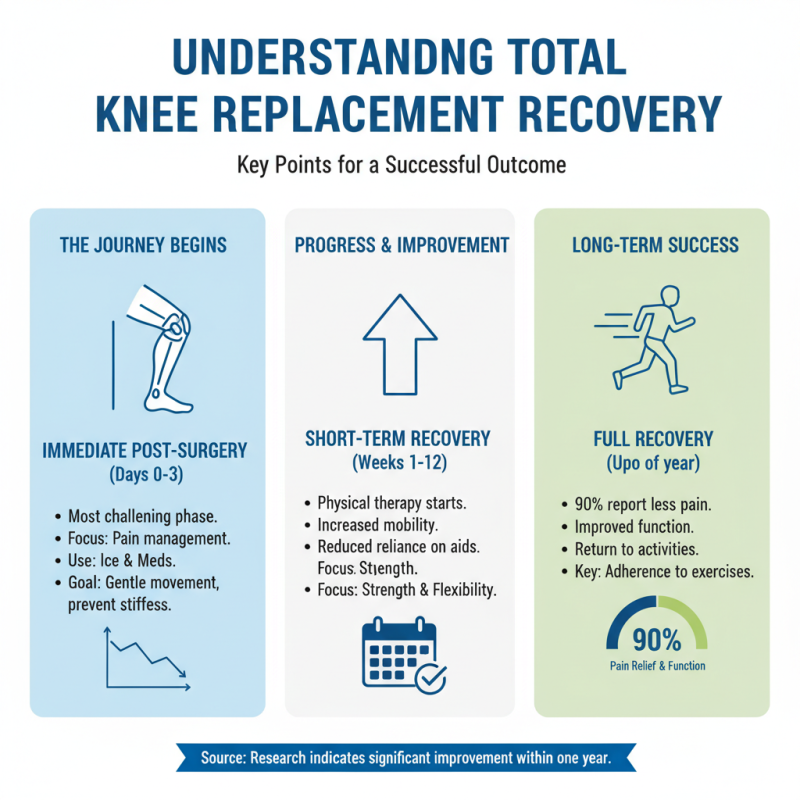
Recovering from a total knee replacement is a critical process that greatly influences long-term outcomes. Research suggests that about 90% of patients experience significant pain relief and improved function within a year. The first few days post-surgery are usually the most challenging. Pain management, including using ice packs and prescribed medication, is crucial to encourage movement and prevent stiffness.
Physical therapy plays a vital role in recovery. Studies show that starting rehabilitation within 24 to 48 hours post-surgery can halve the risk of complications. Gentle exercises help restore range of motion. However, it is essential to recognize the discomfort that can arise during initial sessions. Many patients report frustration with their progress at this stage, but persistence is key.
Nutrition and hydration are also pivotal in recovery. High-protein diets support tissue healing, while adequate hydration helps reduce swelling. A report from the American Academy of Orthopaedic Surgeons states that patients who focus on nutrition tend to recover faster. Each individual’s journey is unique, and embracing the gradual nature of recovery can foster a positive mindset.
Essential Post-Operative Care for Knee Replacement Patients
Recovery after a total knee replacement can be challenging. Effective post-operative care is essential for a successful healing process. Patients should prioritize regular pain management. This can include prescribed medications and ice therapy, which reduces swelling. Monitoring your pain levels helps gauge recovery progress.
Physical therapy plays a critical role in rehabilitation. Engaging in light exercises improves mobility and strengthens muscles. However, many patients underestimate the importance of consistency. Completing prescribed exercises daily can feel monotonous. Yet, it is vital for regaining strength and flexibility.
It’s equally important to maintain a healthy diet during recovery. Nutritious meals support healing and energy levels. Patients may struggle with appetite changes post-surgery, which is normal. Hydration is also crucial; sometimes, it’s overlooked. Remember to sip water regularly. Mental health is another key component. Some patients experience frustration, affecting motivation. Joining support groups can foster a sense of community and hope.
Exercises and Rehabilitation Strategies After Knee Surgery
After a total knee replacement, rehabilitation becomes crucial. A structured exercise plan helps regain mobility and strengthen the knee. Focus on low-impact activities that won’t strain the new joint. Simple leg raises and gentle stretching can make a big difference. Consider incorporating these exercises into your daily routine.
Physical therapy plays a vital role in the recovery process. A trained therapist can guide exercises tailored to your needs. They also provide feedback that helps you avoid common mistakes. Some patients overlook the importance of rest. Balancing activity and recovery time is key. Listen to your body. If something feels wrong, take a step back.
Stay patient throughout your journey. Progress may feel slow at times. Celebrate small victories, like walking without assistance. Consistency is essential. Establish a daily routine that includes both exercises and rest. Keep track of your improvements, even if they seem minor. This positivity can enhance your motivation for recovery.
Managing Pain and Swelling Following Total Knee Replacement
Managing pain and swelling after total knee replacement is crucial for recovery. Many patients experience discomfort. It's important to address pain effectively to improve mobility. Ice therapy plays a vital role in reducing swelling. Applying ice packs for 15-20 minutes every few hours can provide relief. Elevating the knee above heart level helps fluid drainage.
Medications are often prescribed to manage pain. Following your doctor's recommendations is essential. Opioids may be necessary initially, but they come with side effects. Consider non-opioid options when possible. Listen to your body. Finding the right balance between activities and rest can aid recovery.
Physical therapy is key for regaining strength. A therapist can guide you through exercises tailored to your needs. The journey may have ups and downs. It is normal to face challenges. Have patience with yourself as you heal.
Nutrition and Lifestyle Adjustments for Optimal Recovery
Recovering after a total knee replacement is a journey that requires attention to nutrition and lifestyle adjustments. Proper nutrition plays a crucial role in healing. Focus on protein-rich foods like lean meats and legumes. They help repair tissues. Incorporate plenty of fruits and vegetables for vitamins and minerals. These nutrients boost your immune system.
Stay hydrated. Drink enough water throughout the day. This simple habit aids digestion and reduces swelling. However, don't overlook the balance of rest and activity. Engaging in gentle exercises can be beneficial, but overexertion may lead to setbacks. Listen to your body. It's essential to identify limits.
Adjusting to your new lifestyle may not be easy. Some days will feel tough. Be patient with yourself. Tracking your food intake and noting any changes in how you feel can provide insights. Reflect on what works best for you. Gradually, these adjustments can make a significant difference. Prioritize your health, and don't hesitate to seek support. Recovery takes time and effort.
Top 10 Tips for Recovery After Total Knee Replacement - Nutrition and Lifestyle Adjustments for Optimal Recovery
| Tip Number |
Recovery Tip |
Description |
| 1 |
Stay Hydrated |
Drink plenty of water to aid in recovery and reduce swelling. |
| 2 |
Protein-Rich Diet |
Consume foods high in protein to support tissue healing. |
| 3 |
Balanced Nutrients |
Incorporate fruits, vegetables, and whole grains for vitamins and minerals. |
| 4 |
Regular Exercise |
Engage in physical therapy and approved exercises to regain strength. |
| 5 |
Prioritize Sleep |
Ensure adequate sleep to promote healing and recovery. |
| 6 |
Avoid High-Sugar Foods |
Reduce sugar intake to limit inflammation and assist healing. |
| 7 |
Cold Therapy |
Use ice packs to manage swelling and reduce pain. |
| 8 |
Limit Alcohol Consumption |
Minimize alcohol to ensure effective pain management and avoid interactions. |
| 9 |
Listen to Your Body |
Pay attention to your body’s signals and adjust activities accordingly. |
| 10 |
Follow Medical Advice |
Stay in contact with your healthcare provider to monitor your recovery. |