Top 10 Knee Replacement Systems for Enhanced Recovery and Mobility
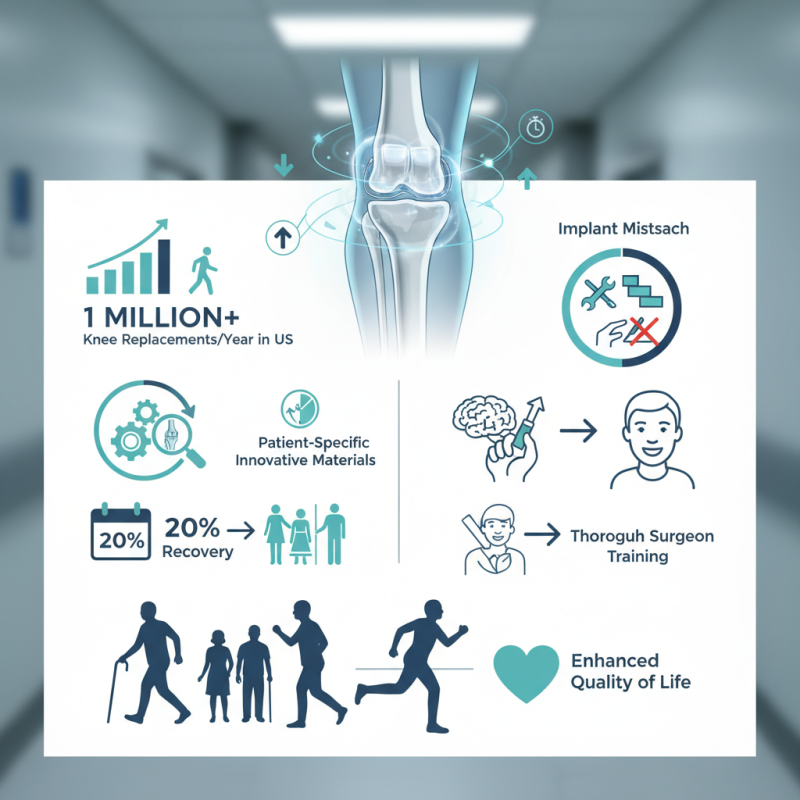
In recent years, the demand for effective knee replacement systems has surged. According to the American Academy of Orthopaedic Surgeons, around 1 million knee replacement surgeries are performed annually in the United States alone. These procedures dramatically improve mobility and enhance recovery for patients suffering from severe joint pain and disability.
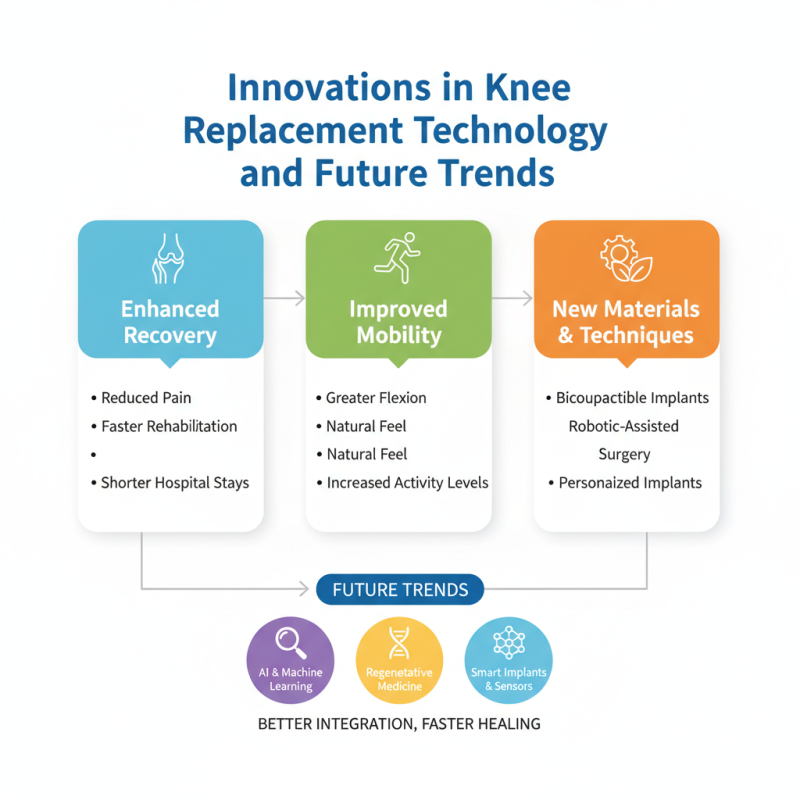
Advancements in knee replacement systems focus on patient-specific designs and innovative materials. For instance, companies are now utilizing advanced polymer and metal combinations to enhance durability and reduce wear. Reports indicate that newer systems can lead to 20% faster recovery times, allowing patients to return to their daily activities sooner.
However, despite these advancements, issues like implant mismatch and surgical errors still occur. These factors can hinder the full potential of modern knee replacement systems. Continuous improvement and thorough surgeon training are essential to address these challenges and ensure a positive patient experience. The evolution of these systems is vital for meeting the needs of an aging population yearning for mobility and quality of life.
Overview of Knee Replacement Surgery and Its Impact on Mobility
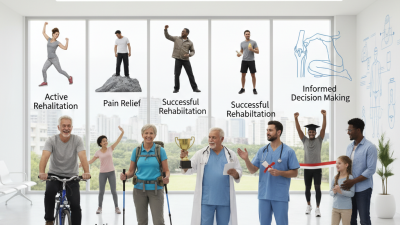
Knee replacement surgery is a pivotal intervention for those suffering from severe arthritis or knee injuries. The procedure can significantly enhance mobility, allowing patients to regain independence in daily activities. Many individuals transition from spending years in pain to enjoying physical activities like walking or cycling.
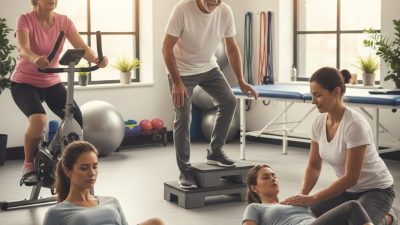
Post-surgery, patients often experience improved range of motion and reduced stiffness. However, the recovery journey can be challenging. Rehabilitation is essential. Physical therapy, when implemented correctly, can expedite healing and strengthen the surrounding muscles. Some patients may find it difficult to adjust to the new joint initially. This adjustment period may involve disappointment and frustration.
The psychological aspect of recovery is equally vital. Emotional support plays a crucial role in overcoming obstacles. Patients may fear re-injury or question if they will ever return to their pre-surgery activities. Building a trust in the process and understanding that healing takes time is important. Each person's journey is unique, and setbacks are common. Recognizing this can foster resilience and hope for better mobility.
Top 10 Knee Replacement Systems Impact on Mobility
This chart illustrates the estimated improvement in mobility outcomes after knee replacement surgery using the top 10 knee replacement systems. The data reflects patient-reported mobility scores before and after surgery, measured on a scale from 0 to 100, where higher scores indicate better mobility.
Criteria for Selecting the Best Knee Replacement Systems
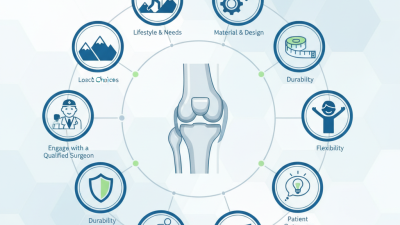
When selecting knee replacement systems, it is vital to consider various factors that influence recovery and mobility. A crucial criterion is the implant material. Innovative materials enhance durability and reduce wear, leading to longer-lasting results. This can directly affect a patient’s comfort and long-term outcomes. Another important aspect is the surgical technique used. Robotic assistance in surgery often leads to better precision, minimal invasiveness, and potentially faster recovery.
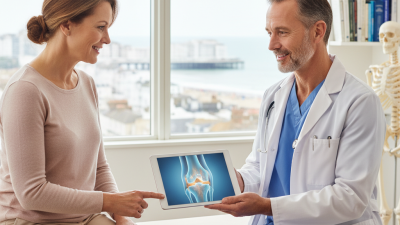
Patient-specific factors also demand attention. Each individual has unique needs based on age, activity level, and overall health. The alignment and implant design should match these factors for optimal performance. A well-informed discussion with healthcare providers can also help patients articulate their goals and expectations. As recovery journeys vary, reflecting on personal experiences can reveal what worked well and what could be improved. This ongoing conversation can guide future choices for similar surgeries. Balancing expertise and personal input ensures a more tailored approach to knee replacement systems.
Top 10 Knee Replacement Systems: Features and Benefits
Knee replacement systems have evolved significantly. Patients often benefit from advancements in design and materials. These systems aim to enhance recovery and mobility for those suffering from knee pain and dysfunction.
Each system comes with unique features tailored to different needs.
Some systems use innovative bearing surfaces that reduce friction. This results in smoother movement, which can facilitate quicker rehabilitation. The weight distribution in these implants can also lead to a more natural feel, making walking and bending easier. Despite these advances, some patients may still experience discomfort during recovery. Adjusting to a new knee may not happen overnight.
Another important aspect is the surgical procedure itself. Techniques like minimal incision surgery can lead to less tissue damage. This can shorten recovery times and reduce post-operative pain. However, not every patient is a candidate for this method, and choosing the right approach still requires careful consideration. Ultimately, the right system depends on individual anatomy and lifestyle. Each choice has pros and cons that need to be weighed.
Patient Recovery: Timeline and Expectations After Surgery
Knee replacement surgery is a common procedure, and recovery is vital for improved mobility. After surgery, patients typically stay in the hospital for one to three days. This period is crucial for monitoring vital signs and managing pain. During this time, physical therapists begin teaching exercises to enhance movement.
After discharge, the recovery timeline varies. Patients can expect swelling and discomfort, which is normal. Pain management is essential. Many find themselves able to walk with assistance within a week. However, some may struggle. Emotional adjustments also play a significant role. Patients often experience frustration during their recovery journey; it's natural but should be addressed.
By six weeks, many return to daily activities, but it’s a gradual process. Regular follow-up appointments help gauge progress. Some may notice lingering stiffness. This could require additional exercises or modifications to their routine. Patience is key, as everyone’s healing is unique. A supportive environment can make a difference in this phase.