
Why Are Buyers Choosing Powder Apple Cider Vinegar?

Interest in Powder Apple Cider Vinegar is growing among buyers who want a simpler way to add vinegar to their routines. The powdered format can be easier to carry than a glass bottle, whether tucked into a work bag or stored in a kitchen drawer. No spills. For some people, mixing a scoop into water also feels more manageable than measuring a sharp-tasting liquid. Yet convenience alone does not tell buyers what is in the product or how it is made.

Products can differ in serving size, added ingredients, acidity, and recommended use, so the label deserves a careful read. Powder is not automatically more effective or suitable for everyone. Research on vinegar’s potential effects does not prove that every powder delivers the same results, and health claims should be viewed cautiously. Buyers may also notice clumping, sweetness, or a lingering taste once the powder is mixed. Small details, but they matter in daily use. This guide explores why shoppers choose powdered apple cider vinegar, what practical benefits they may value, and which questions are worth asking before purchase. The honest answer may be less exciting: a convenient format can help, but it cannot replace clear product information or realistic expectations.
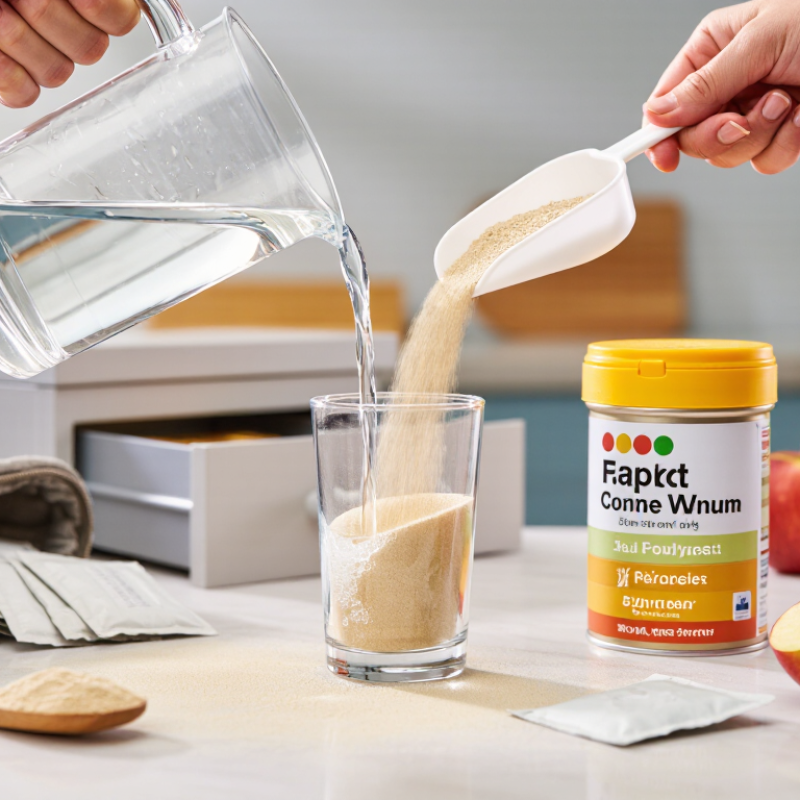
Why Are Buyers Choosing Powder Apple Cider Vinegar?

What Powdered Apple Cider Vinegar Is and How It Is Made

Powdered apple cider vinegar is vinegar converted into a dry ingredient. It begins as apple juice, which is fermented into alcohol and then into vinegar by acetic-acid-producing bacteria. The finished liquid is filtered or otherwise prepared before drying. It is not simply ground dried apples. That distinction matters.

Manufacturers commonly use spray drying, blending liquid vinegar with a food-grade carrier before spraying it into warm air. The water evaporates, leaving a fine powder that can be easier to measure and mix than liquid vinegar.

Other drying methods may be used. The carrier and vinegar content vary, so powders are not necessarily equivalent. It sounds straightforward, but labels do not always make the proportions obvious.

Tips: Check the ingredient list for carriers, and follow the serving directions rather than guessing from a liquid-vinegar recipe. Powder can clump when exposed to moisture; keep the container tightly closed and use a dry spoon. If the label does not explain the vinegar content, that is worth noticing. A powder’s taste and acidity may also differ from liquid vinegar.

How Powdered Apple Cider Vinegar Is Used in Supplements

Powdered apple cider vinegar is commonly sold in capsules, tablets, and drink mixes. People may choose it when carrying a bottle of liquid vinegar feels inconvenient. A scoop can be stirred into water or a smoothie, while capsules fit easily into a daily routine. The taste and texture vary; some powders leave a tart note or do not dissolve completely. Not quite effortless.

In supplements, the powder is generally used as a concentrated ingredient, but the amount per serving and other ingredients differ by product. Read the label for serving size, added sweeteners, and directions, rather than assuming powders are interchangeable with liquid vinegar. That matters. Claims about benefits should be treated carefully: a supplement is not a substitute for a balanced diet or medical care, and evidence for specific effects may be limited. If you take medication, have a health condition, or are pregnant, ask a qualified health professional before using it. Choosing products with clear ingredient information and credible independent quality testing can make comparison easier, though it cannot guarantee a particular result.

Why Buyers Choose Powder Over Liquid Apple Cider Vinegar

Buyers often choose apple cider vinegar powder because it is easier to carry and store. A small pouch fits in a work bag, while a liquid bottle can leak or take up space. Powder also blends into drink mixes, capsules, and dry recipes without adding much liquid. That matters when a product needs a measured portion in a travel mug or a premixed sachet.

Convenience has limits.

Powder may clump if moisture gets into the container, and its taste can vary with the vinegar source and processing. Some products include carriers or flavorings, so buyers should check the ingredient list and serving size rather than assuming every powder is the same. Read the label carefully.

Liquid vinegar offers a familiar sharp taste and is simple to measure at home, but it needs careful handling and storage. Neither form is automatically better for everyone; the choice often comes down to routine, taste, and how the ingredient will be used.

Powder can also be less intuitive to measure than a spoonful of liquid. That part is easy to overlook.

How Powder and Liquid Forms Compare in Convenience and Use

Powdered apple cider vinegar is easier to pack than a glass bottle. A small scoop or sachet fits in a work bag, and there is less risk of a sticky leak. That convenience matters on travel days. At home, though, powder needs a drink or recipe to go into; it does not pour straight from the container like liquid vinegar.

Liquid vinegar is simple to measure for dressings, marinades, or a glass of water. Its sharp smell and sour taste are familiar, but the bottle can be awkward to carry. Powder is more discreet, yet it may take extra stirring to dissolve. Some products leave a slight graininess. Not ideal.

The two forms should not be treated as interchangeable by volume. Processing methods and serving sizes vary, so check the product label rather than assuming a spoonful of powder matches a spoonful of liquid. For cooking, liquid often blends quickly into sauces. Powder can work in dry seasoning mixes, where a little tang is useful without adding moisture. Which form feels more practical depends on the routine—and on whether measuring, mixing, or carrying is the bigger hassle.

What Buyers Should Consider Before Choosing a Powdered Product

Powdered apple cider vinegar can be convenient, but convenience does not guarantee a predictable serving. The Council for Responsible Nutrition’s 2023 Consumer Survey found that 74% of U.S. adults use dietary supplements. That broad interest makes careful label reading more important, not less. Check how much apple cider vinegar powder each serving contains, and whether the label lists acetic acid content. A scoop’s weight alone may not show how much vinegar-derived material it provides. Small detail. It matters.

Compare the ingredient list for carriers, sweeteners, and anti-caking agents, especially if you avoid particular ingredients. Powder can absorb moisture, clump, or dissolve unevenly; inspect the seal and follow storage directions. Ask whether the seller provides independent testing for identity and contaminants, and review what that testing actually covers. A quality certificate is useful, but it does not prove a product’s health benefits. Evidence from studies of liquid vinegar should not automatically be applied to every powdered formulation. That distinction is easy to overlook. If you take medication or have a health condition, discuss regular use with a qualified clinician; vinegar products may not suit everyone.

Why Are Buyers Choosing Powder Apple Cider Vinegar? - What Buyers Should Consider Before Choosing a Powdered Product

Buying Consideration What Powder Form Can Offer What to Check Before Buying Why It Matters
Convenience and portability Powder is generally easier to carry and can be portioned without transporting a bottle of liquid. Check the serving size, scoop or measuring instructions, and whether the package can be resealed. Serving directions and packaging affect how practical the product is for everyday use or travel.
Ingredient composition Some powders contain dried vinegar alongside carriers or other ingredients to help produce a stable powder. Read the full ingredient list and identify any carriers, sweeteners, flavors, or added ingredients. The ingredient list shows whether the product is a straightforward vinegar powder or a blended formula.
Vinegar content and standardization Powder products can differ in how much apple cider vinegar they contain and how their servings are described. Look for a clear amount per serving and any stated standardization. Contact the manufacturer if the label is unclear. A serving of powder should not be assumed to match a serving of liquid vinegar unless the product provides a reliable comparison.
Acetic acid information Some labels provide acetic acid information; others may not state it. Check whether the label or product documentation gives an acetic acid amount or percentage, and how it is measured. Powder weight alone does not establish the acetic acid content or acidity of a serving.
Mixing and taste Powder can be mixed into a drink or recipe, depending on the product's formulation. Review preparation directions and serving suggestions. If taste or texture is important, try a small package first. Solubility, flavor, and texture can vary between products; powder may not behave like liquid vinegar in every recipe.
Moisture and storage A dry format can be convenient to store, but powders may absorb moisture after opening. Follow the storage instructions and check that the package is intact, resealable, and within its best-before date. Moisture can cause clumping and may affect the product's handling and quality.
Quality testing and traceability Quality information may be available through product specifications or testing documentation. Look for clear manufacturer contact details and ask whether testing covers identity, contaminants, and relevant product specifications. Transparent documentation helps buyers assess product quality; testing practices vary and should not be assumed from the format alone.
Claims and intended use Powdered vinegar is sold in different product formats, but the format itself does not establish a health benefit. Evaluate claims carefully and check the label for intended use, warnings, and directions. Products can differ, and dietary supplements should not be treated as substitutes for medical advice or prescribed care.
Value for money Price per package can be compared alongside the amount of product supplied. Compare cost per serving, stated vinegar content, serving size, and any additional ingredients—not package price alone. A lower price does not necessarily mean more vinegar or a comparable amount of active components per serving.

Buyer note: Product formulations and label details vary. Use the specific product label and manufacturer documentation when comparing powdered apple cider vinegar with liquid vinegar.