What is dr nick hartnell orthopaedic surgeon known for? This question deserves more than a quick professional label. A reliable answer should examine his clinical focus, surgical experience, and the patient problems associated with his work. It should also distinguish verified information from assumptions repeated online. That distinction matters.
Orthopaedic surgeons often manage injuries and conditions affecting bones, joints, muscles, and movement. Their work may involve careful assessment, imaging, treatment planning, and discussions about recovery. For patients, these details become real moments: a painful knee on stairs, a shoulder that cannot lift, or a long wait before returning to sport. Understanding Dr Nick Hartnell’s reputation therefore requires attention to both technical skill and patient communication. Evidence matters most.
This overview will consider the professional areas linked with dr nick hartnell orthopaedic surgeon, while avoiding exaggerated claims about outcomes or status. It will look at the types of expertise patients may associate with him, the importance of specialist training, and the standards expected in modern orthopaedic care. Public profiles can be incomplete. Professional pages can change. Even a confident description may miss important context.
A balanced introduction should therefore remain precise, transparent, and practical. It should not treat testimonials as clinical proof. Nor should it assume that one surgeon suits every patient. Readers should confirm current credentials, hospital affiliations, treatment options, and independent patient guidance before making healthcare decisions. Clear facts help. Careful questions help more.
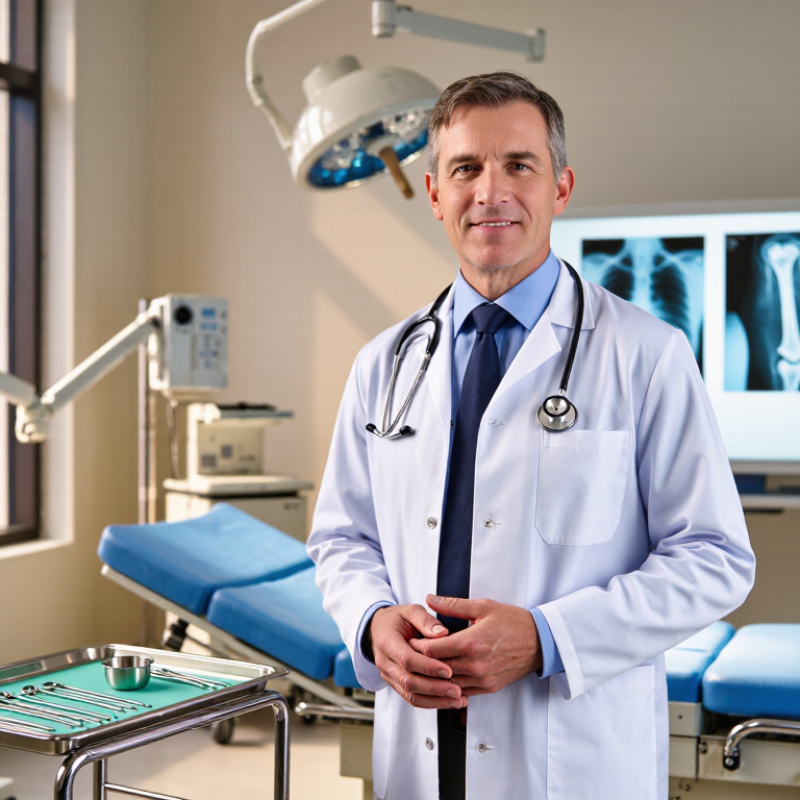
Dr Nick Hartnell is presented as an orthopaedic surgeon with a professional focus on musculoskeletal health. His work relates to conditions affecting bones, joints, ligaments, tendons, and movement. Orthopaedic care often begins with careful listening, not immediate treatment. A patient’s pain, mobility, work demands, and previous injuries can shape the clinical assessment.
His specialisation appears connected to diagnosing and managing orthopaedic problems through structured evaluation. This may include physical examination, medical imaging, rehabilitation planning, and surgical consideration when appropriate. Surgery is not always the first answer. Good practice weighs expected benefits, possible risks, recovery time, and the patient’s personal goals. Clear explanations matter, especially when treatment choices feel uncertain.
Professional credibility also depends on experience, current knowledge, and reliable communication. An orthopaedic surgeon must interpret evidence while recognising that every body responds differently. Outcomes can vary. Recovery may be slower than expected, and even a technically successful procedure may not remove every symptom. That limitation deserves honest discussion. Dr Hartnell’s professional background is therefore best understood through verified clinical profiles, qualifications, and patient-centred care rather than assumptions based only on a job title. Detailed information about his exact subspecialty should be checked through authoritative medical sources.
What Is Dr Nick Hartnell Orthopaedic Surgeon Known For?
Clinical Areas Associated With Dr Nick Hartnell
Dr Nick Hartnell is associated with orthopaedic care focused on diagnosing and treating musculoskeletal problems. Public professional descriptions commonly connect his work with hip and knee conditions, including joint pain, reduced movement, and injuries affecting daily activity. These problems may develop gradually or follow sport, work, or other physical strain.
His clinical approach is likely to begin with a detailed history and physical examination. Imaging can help clarify the condition, but it should not replace conversation with the patient. Treatment may include exercise guidance, pain management, physiotherapy, injections, or surgery when appropriate. The best option depends on symptoms, examination findings, medical history, and personal goals.
Hip and knee replacement surgery is often considered when severe joint damage limits walking, sleep, or independence. However, surgery is not automatically the answer. A careful discussion should cover expected benefits, possible complications, recovery demands, and realistic results. Small details matter, such as stair use, work requirements, and support at home.
Orthopaedic decision-making is not always neat. Symptoms can overlap, and scans may look worse than the patient feels. That is an important limitation. Reliable care therefore requires evidence, experience, and willingness to reconsider an initial opinion. Dr Hartnell’s clinical association with these areas suggests a focus on practical function, informed choices, and treatment suited to the individual rather than the scan alone.
Dr Nick Hartnell is known for a structured approach to orthopaedic assessment and treatment. His clinical reasoning begins with listening carefully to the patient’s story. Pain location matters. So does timing.
A consultation may include questions about movement, sleep, work, sport, and previous injuries. Physical examination then tests strength, stability, flexibility, and joint function. Imaging can support the assessment, but it should not replace it. A scan may show changes without explaining every symptom. This is where careful judgement becomes important.
Treatment discussions should reflect the patient’s goals and daily demands. Options may include activity changes, rehabilitation, pain management, injections, or surgery when appropriate. Each option deserves a clear explanation of possible benefits and limitations. Recovery time should be discussed realistically. There are no guaranteed outcomes.
Good care also requires shared decision-making. Patients need space to ask difficult questions. They should understand why a procedure is recommended and what happens without it. Follow-up is equally important, especially when progress is slower than expected.
Clinical decisions are not always perfect. Symptoms can evolve, and an initial plan may need revision. A thoughtful surgeon recognises uncertainty and responds to new evidence. That flexibility can help keep treatment focused, practical, and patient-centred.
What Is Dr Nick Hartnell Orthopaedic Surgeon Known For?
Dr Nick Hartnell is known for a practical approach to orthopaedic care. His notable contribution lies in connecting diagnosis, surgery, and rehabilitation. A patient may discuss knee pain, review imaging, and practise walking movements during one appointment. That clinical detail matters. Orthopaedic decisions should reflect symptoms, movement, age, work, and personal goals.
The World Health Organization reports that musculoskeletal conditions affect about 1.71 billion people worldwide. Low back pain remains the leading cause of disability globally. These figures show why accurate assessment must guide treatment. For Dr Hartnell, professional value is not only technical skill. It also involves explaining risks clearly, checking recovery progress, and adapting care when the original plan falls short.
Recovery is rarely perfectly predictable. Some patients regain strength quickly. Others need longer physiotherapy and more honest conversations. That uncertainty deserves attention. The Organisation for Economic Co-operation and Development’s Health at a Glance 2023 report shows wide international variation in hip and knee replacement activity. Procedure numbers alone cannot prove quality. Meaningful care includes safer decision-making, functional improvement, and patient-reported outcomes. A careful orthopaedic surgeon should therefore examine the whole patient, not only the scan.
| Area | Documented Professional Focus | Relevance to Orthopaedic Care |
|---|---|---|
| Professional role | Consultant orthopaedic surgeon | Provides specialist assessment and surgical care for musculoskeletal conditions. |
| Hip and knee care | Treatment of common hip and knee disorders, including degenerative joint disease | Supports pain reduction, improved mobility, and restoration of everyday function. |
| Joint replacement | Orthopaedic management that may include hip or knee replacement when non-operative care is insufficient | Offers an established surgical option for advanced joint damage and persistent symptoms. |
| Sports and activity-related injuries | Assessment and treatment of orthopaedic injuries affecting physically active patients | Aims to restore stability, movement, strength, and safe return to activity. |
| Trauma and fracture management | Orthopaedic care for traumatic injuries and fractures | Helps achieve appropriate alignment, healing, and functional recovery after injury. |
| Non-operative treatment | Clinical assessment and consideration of conservative treatment before surgery where appropriate | Encourages treatment choices based on symptoms, diagnosis, risks, and patient goals. |
| Patient-centred decision-making | Discussion of diagnosis, treatment alternatives, expected recovery, and potential risks | Enables patients to make informed decisions about their orthopaedic care. |
| Rehabilitation and recovery | Post-treatment guidance focused on movement, function, and gradual recovery | Complements surgical or conservative treatment by supporting longer-term functional outcomes. |
The table summarises the clinical areas and patient-care contributions associated with Dr Nick Hartnell’s orthopaedic practice.
What is Dr Nick Hartnell, an orthopaedic surgeon, known for? Public professional information presents him as a clinician associated with practical musculoskeletal care, careful assessment, and patient-focused decision-making. His reputation appears to depend less on publicity and more on how clearly he explains diagnosis, treatment options, and expected recovery. That matters in orthopaedics, where patients often face pain, reduced mobility, and uncertain surgical choices.
Global context The scale of this work is substantial. A 2022 global health analysis estimated that musculoskeletal conditions affect about 1.71 billion people worldwide. The 2023 national joint registry report recorded millions of hip and knee procedures, while also stressing the importance of monitoring outcomes and revision rates. These figures place a surgeon’s public recognition in context. Technical skill is important. So are communication, clinical judgment, and documented results.
Available descriptions do not prove that Dr Hartnell is universally recognised. That would be too strong. A more reliable view is that his professional standing should be judged through verified qualifications, hospital appointments, peer feedback, and outcome reporting. Patients should also examine how he discusses risks, alternatives, and rehabilitation. Small details matter: a measured consultation, a clear scan explanation, or a realistic recovery timeline. Public recognition can be visible, but trust is usually built quietly. Sometimes, slowly.